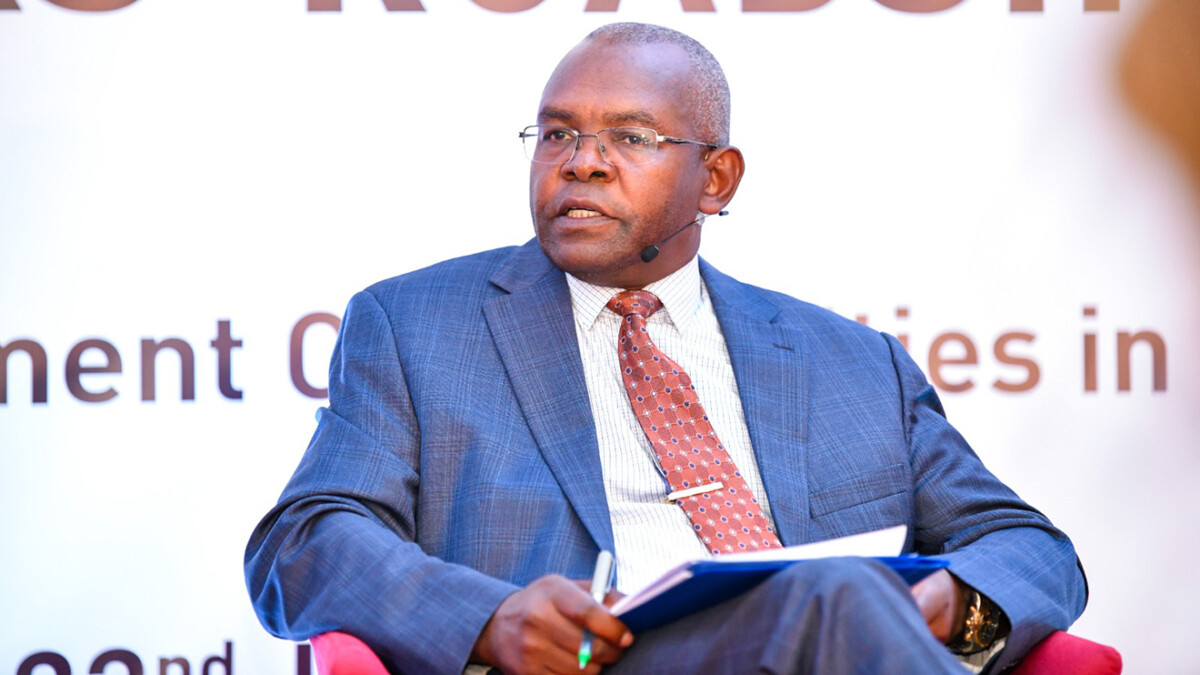
Kenya’s financial markets are stabilising as inflation cools and interest rates continue to ease, signalling growing confidence in the economy, Central Bank Governor Kamau Thugge has said.
Presenting the November 2025 Monetary Policy Committee (MPC) update on Wednesday, Thugge said improved global conditions and recent policy moves at home were helping steady the economic outlook.
Inflation dropped slightly to 4.5 per cent in November, staying below the Central Bank’s 5 per cent midpoint target. Thugge said the decline was mainly due to lower prices of key processed foods.
“Core inflation declined from 2.7% to 2.3% mainly due to lower prices of maize flour and sugar,” he said, adding that processed foods remained the biggest driver of the drop.
He said inflation is expected to remain steady over the next year. Forecasts, he noted, show it will “remain below the midpoint of our target range all the way to November 2026.”
Globally, financial conditions have improved, with stock markets rallying and borrowing costs dropping in many emerging economies.
“Major equity markets have been going upward, reaching historical highs,” he said.
Still, he warned that global risks such as geopolitical tensions, weak demand and trade uncertainties remain significant.
Back home, Kenya’s economic growth is expected to pick up. The Central Bank projects GDP to rise to 5.7 per cent in 2025, up from 4.7 per cent this year, before moderating slightly to 5.5 per cent in 2026.
Thugge said Kenya’s performance is likely to stay ahead of global and regional averages, crediting the “resilience and diversified nature” of the economy.
Agriculture is forecast to remain strong, supported by good weather, subsidised fertiliser and expanding irrigation. The industrial sector is recovering, while services—especially digital services—are expected to continue driving activity.
A major turning point for the economy is the rebound in private-sector lending. After shrinking early in the year, credit growth has improved to 6.3 per cent as of November.
Thugge linked the recovery to falling interest rates following policy adjustments, including a cut in the Cash Reserve Ratio and foreign-exchange market interventions.
Treasury Bill rates have dropped sharply, with some declining by more than half, while bank lending rates have eased from 17 per cent to 14.9 per cent. “Short-term interest rates have declined further in line with the reduction in the Central Bank Rate,” he said.
On external performance, the Central Bank expects the balance of payments to remain in surplus through 2025 and 2026, supported by stronger financial inflows and higher domestic exports, especially horticulture, coffee, apparel and manufactured goods.
Despite the improving outlook, Thugge cautioned that uncertainties around weather, global oil prices and geopolitical tensions could still pose risks. Even so, he said inflation expectations remain well anchored and business sentiment is broadly positive.